
3 Nov 2026
Saying Hello (and Goodbye) to London’s Ghost Signs
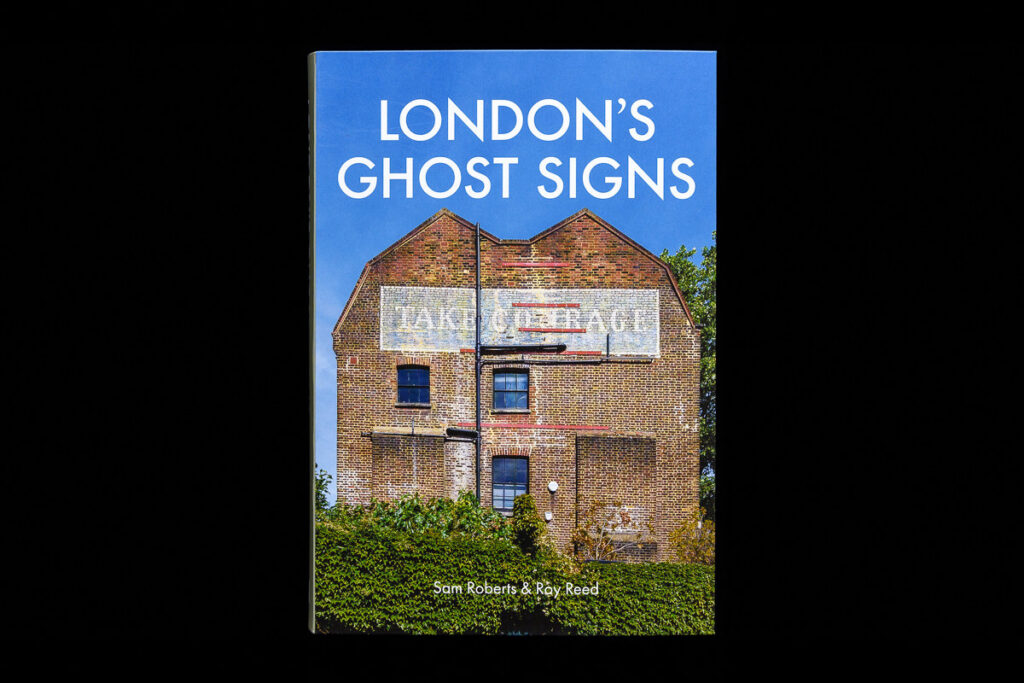
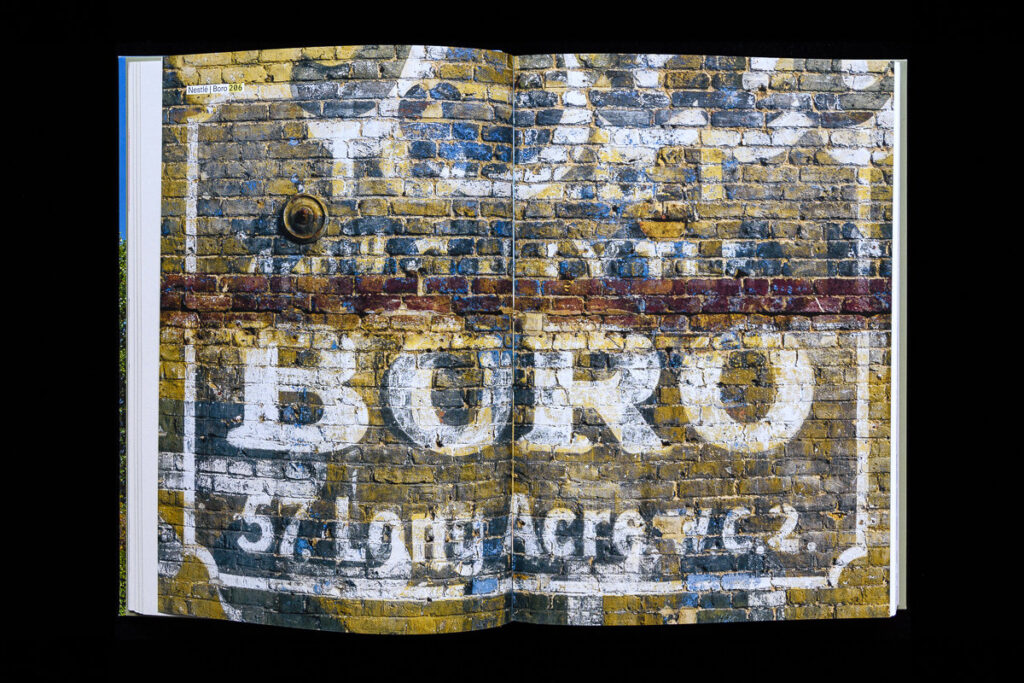
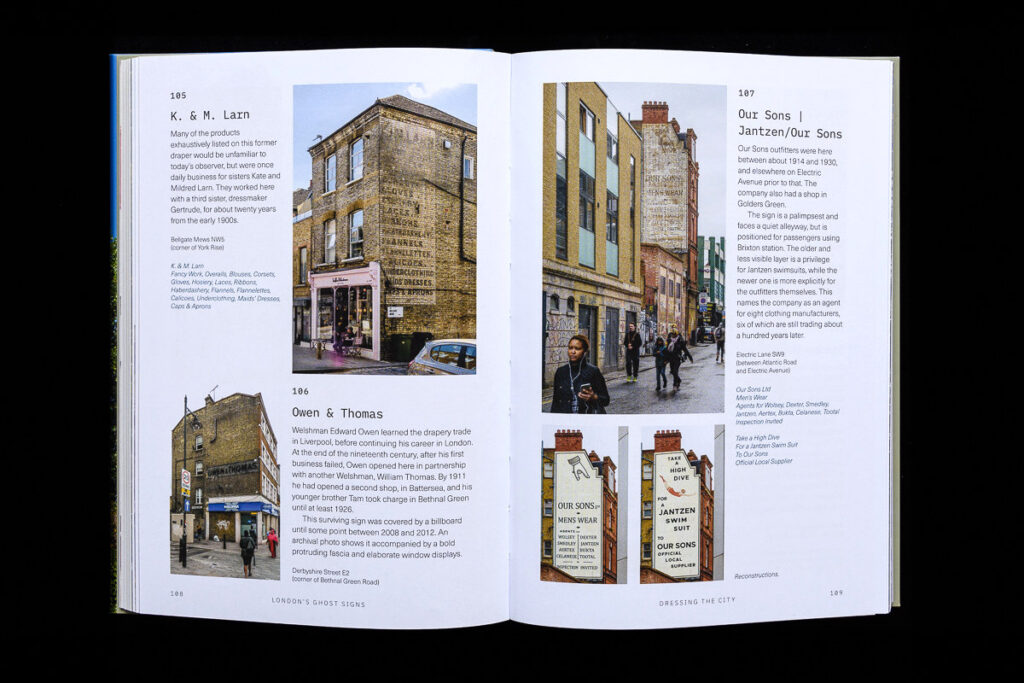
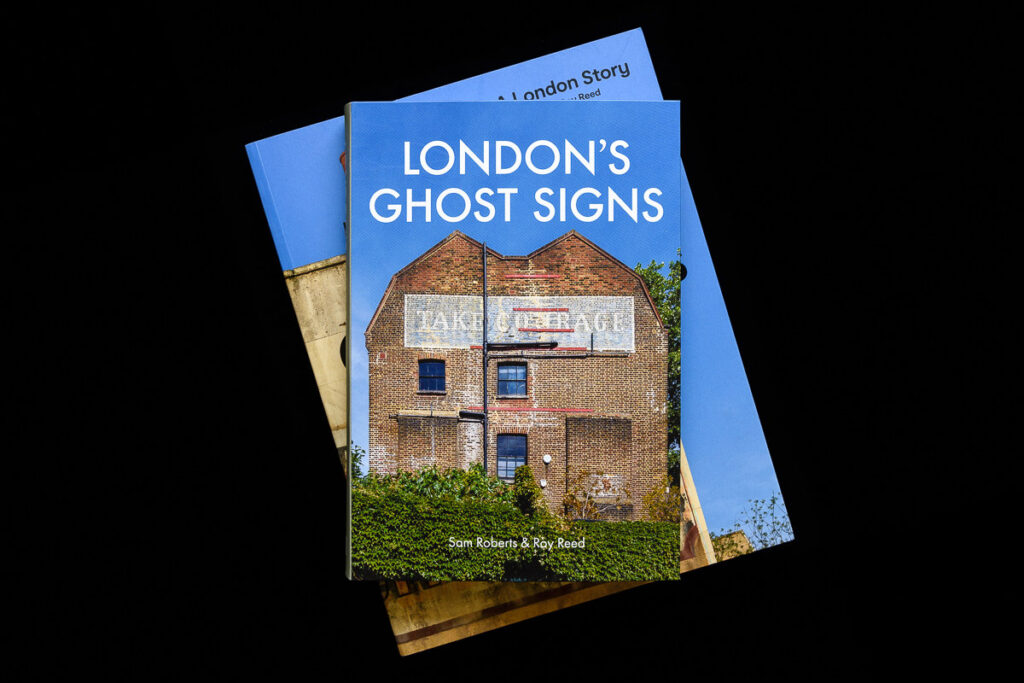
On the fifth anniversary of publishing Ghost Signs: A London Story, I’m excited to announce that the book is back in print as London’s Ghost Signs. Roy Reed and I have updated some of the 250+ entries, but otherwise the content in its new compact format is identical to the earlier volume, and very reasonably priced at £15.99.
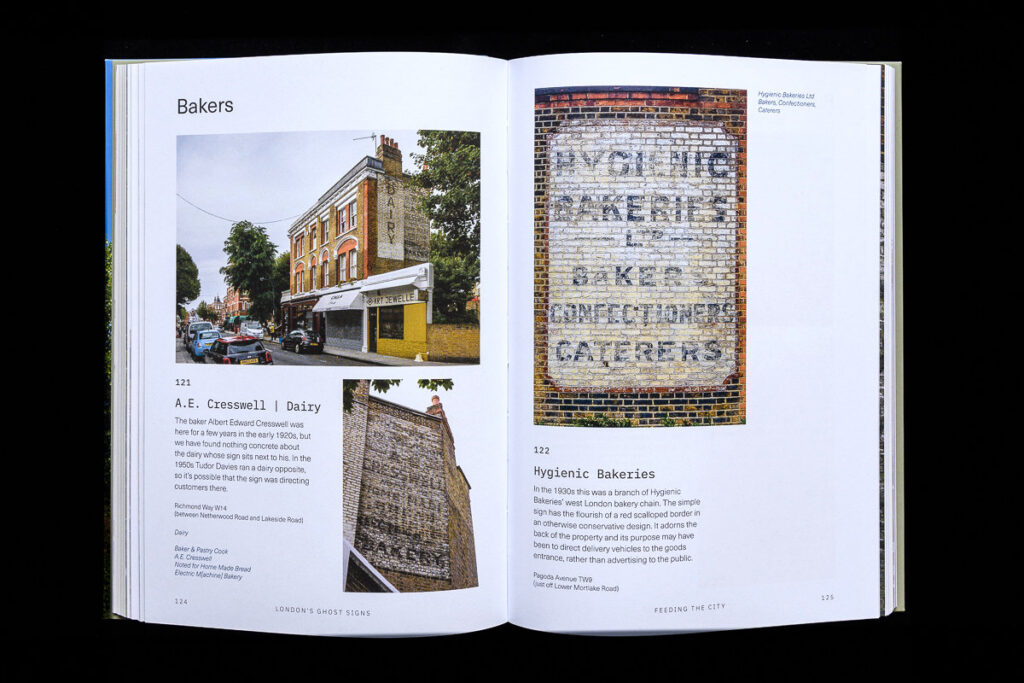
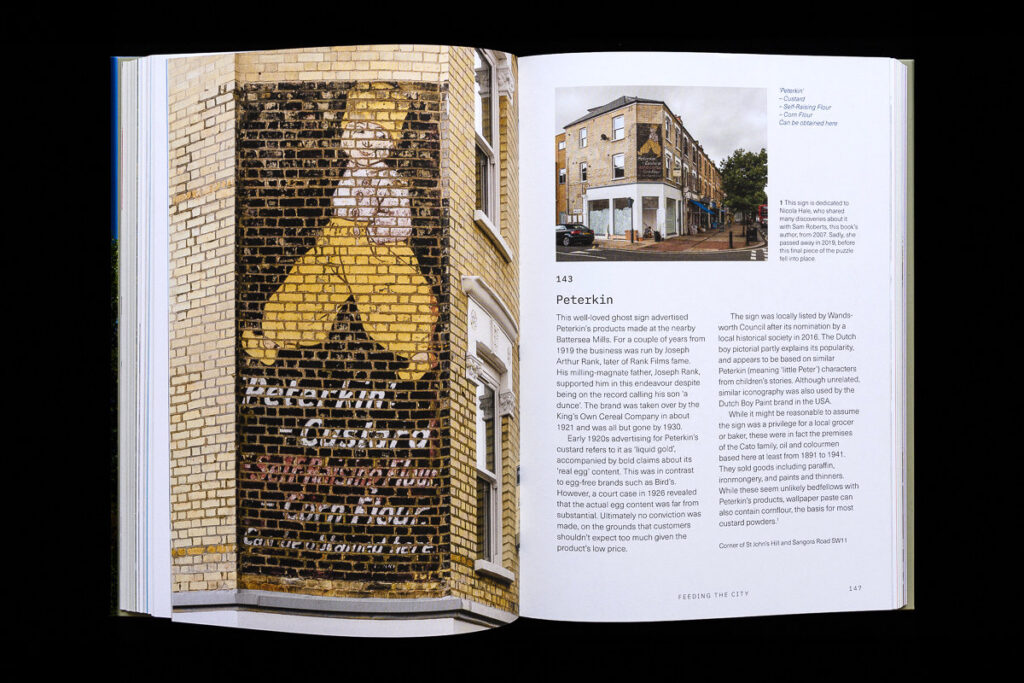
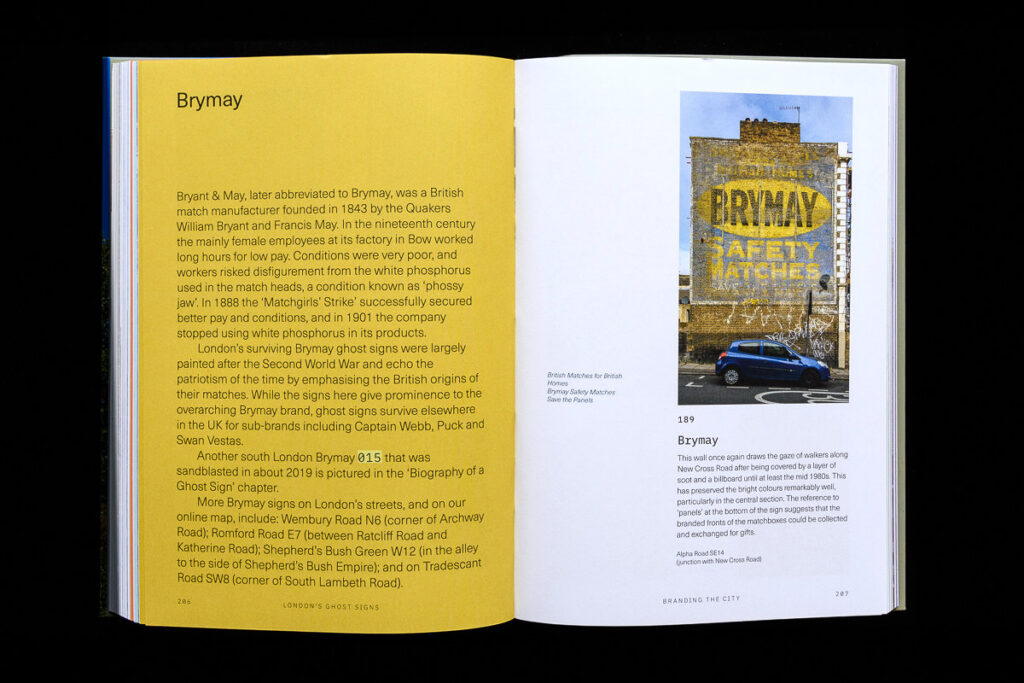
London’s Lost Ghost Signs
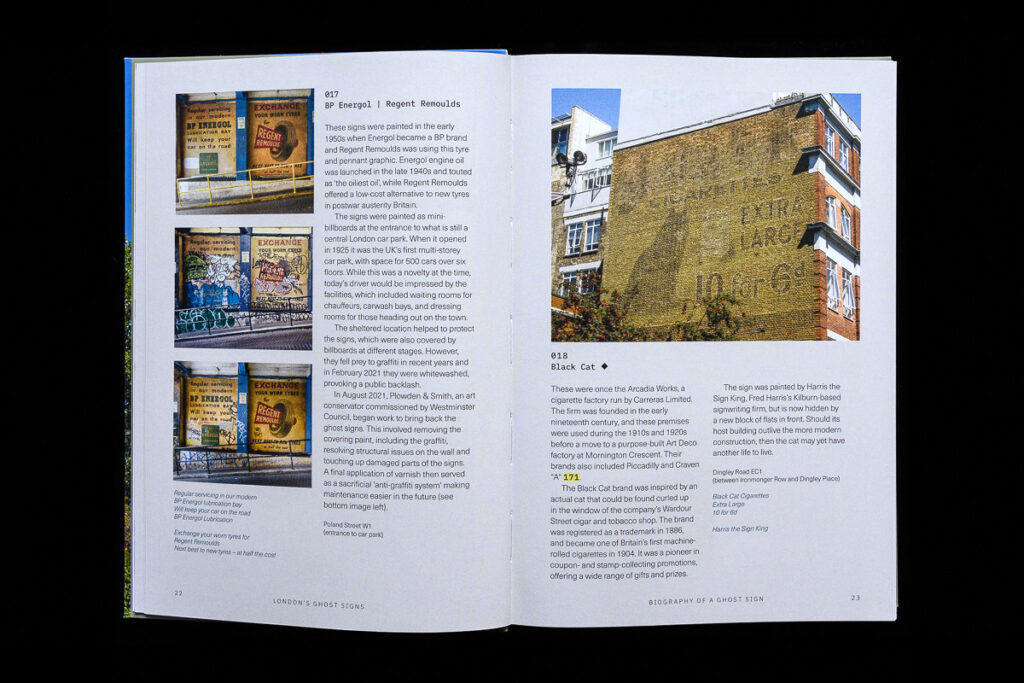
In the original book we focused on ghost signs that were still visible on London’s streets. This was to increase the book’s utility for those wanting to go out and see them ‘in person’. The only flexibility we allowed ourselves was in the ‘Biography of a Ghost Sign’ chapter which primarily deals with the various ways that signs are lost. (This also allowed me to include one of my all-time favourites in the form of the Black Cat Cigarettes sign.)
In our notes on the selection of ghost signs for the book we referred to their presence in “an evolving urban streetscape” and, inevitably, more have been lost over the last five years. These changes are accounted for in the accompanying online map that Roy maintains and, in January 2024, I shared some of them in the post titled ‘The Shifting Sands of London’s Ghost Signs Landscape’.
These lost signs have been retained in the book’s reissue, alongside a few recent losses (detailed below), as they often support its wider narrative text. For clarity, signs no longer visible are now indicated by a ♦ symbol, and I was (pleasantly) surprised by how few there were, especially versus the analysis of Islington’s ghost signs that I did in 2018.
So, Farewell Then*
In addition to the ‘Shifting Sands’ post, other losses already covered on the blog are:
- The whitewashing of J.A. & G.E. Smith.
- The coming and going of Boyd Pianos.
- And an “RIP in the Making” as I described this multi-layered palimpsest.
The following entries then complete the (current) set of London’s ghost signs that we’ve bid farewell to. #RIP.
*With apologies to E.J. Thribb.
A. Simmonds
This one likely still survives beneath the fascia signage that started to cover it from early in 2021. The sign appears in the ‘Defining Ghost Signs’ chapter, which we use to illustrate forms of redundant signage that are not included within the book’s contents at large.
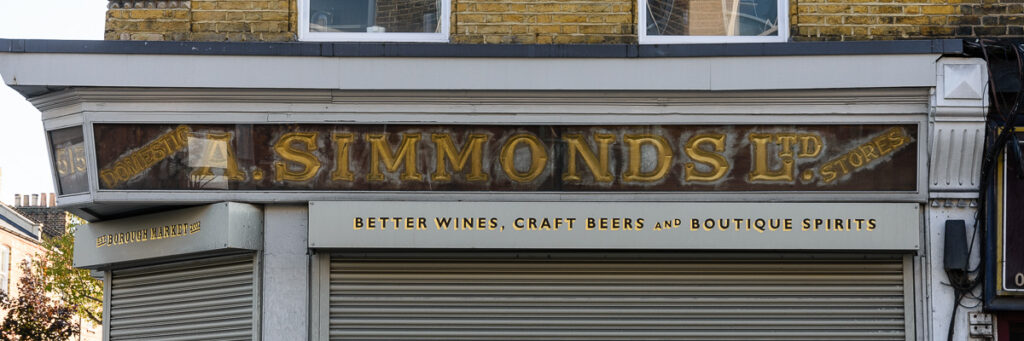
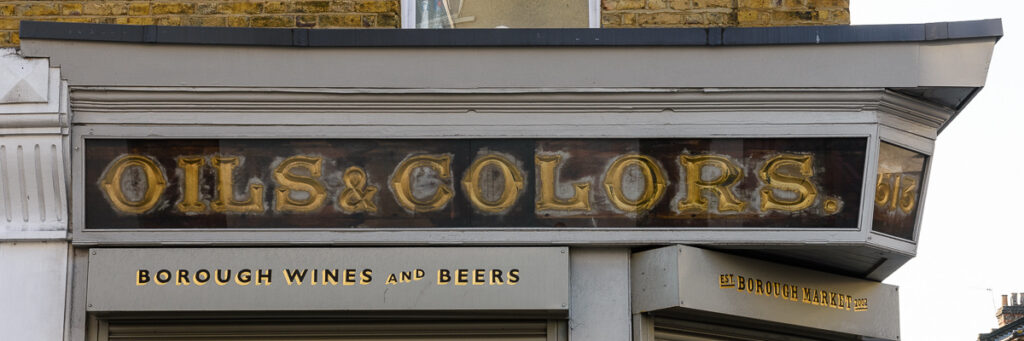
This paint merchant’s shopfront would have been overlaid with a sheet of painted and gilded glass. Parts of the glass would have been left clear – giving dimensionality to the sign by allowing these carved and gilded letters to be seen through it.
Battersea Park Road SW11 (corner of Atherton Street)
W. Wakefield
This one is in our ‘Ghost Sign Locations’ chapter where we discuss areas like Spitalfields where there are concentrations of signs for specific industries or trades.
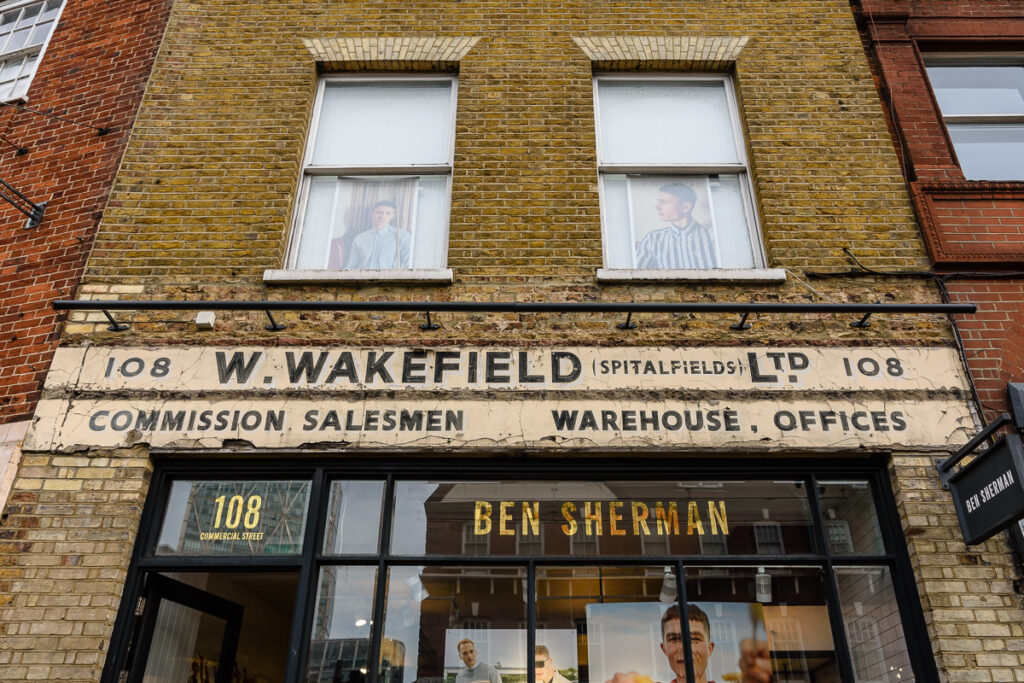
The Wakefields were potato salesmen directly opposite Spitalfields Market from at least 1856 to 1961. The long-time proprietors were David Wakefield (from 1856) and Ernest Wakefield (from 1920), although the ‘W’ appears to refer to one of Ernest’s sons, Walter or William. In 1979 the company, by then based elsewhere, was wound up.
This sign was covered for a long time by mounted shopfronts, but when Ben Sherman were here from around 2012 it was left uncovered; the shop positioned its own name in gold leaf on the windows. However, since 2021 the sign has been painted over to create more garish frontages for the Scout and Audition clothing shops.
Commercial Street E1 (opposite Lamb Street)
F.C. Dyson
This sign is in our chapter on ‘Sign Preservation’, accompanying the discussion of repainting ghost signs. It was always a talking point on my Stoke Newington Ghostsigns Walk, but no more…
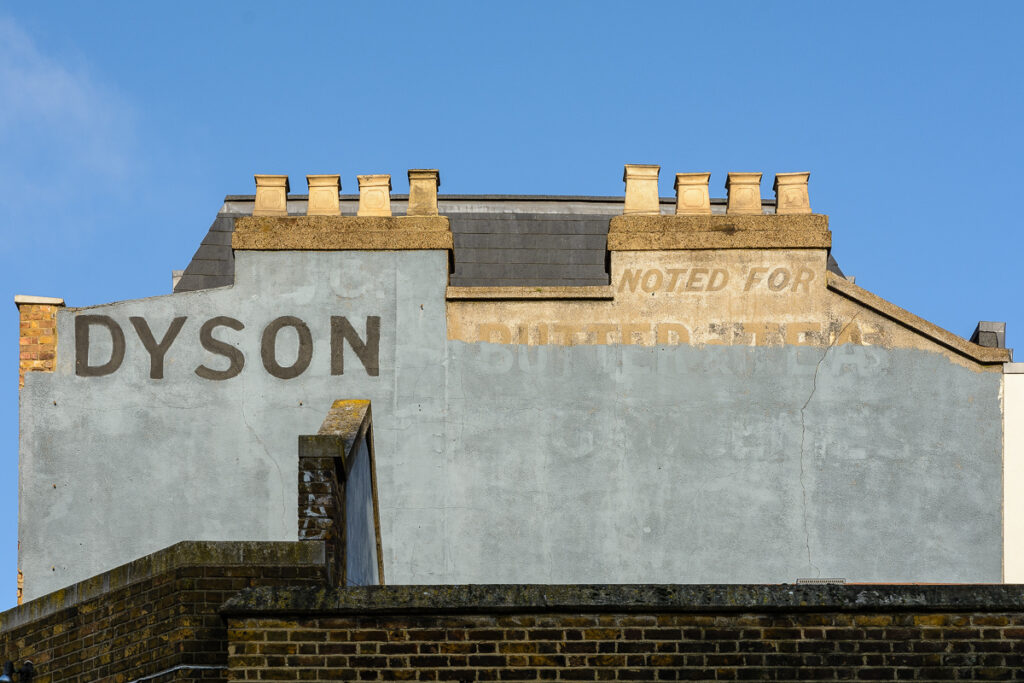
From 1902 this was a branch of Frank Charles Dyson’s mini-chain of north and east London grocers, taken over in 1965 by Key Markets Grocers. The wall was later covered by a billboard and, following its removal, a large quantity of graffiti. To help sell the property the owners gave the wall a cosmetic ‘blue rinse’, which included this half-hearted repainting of the Dyson name. This failed to reference available archival images, and remained substantially incomplete. It also made no attempt to resolve the question of which layer to choose when repainting palimpsests. These questions remain, but the sign doesn’t; it was covered by the upward extension of the corner building in 2025.
Stoke Newington High Street N16 (junction with Brooke Road)
James Ashby & Sons
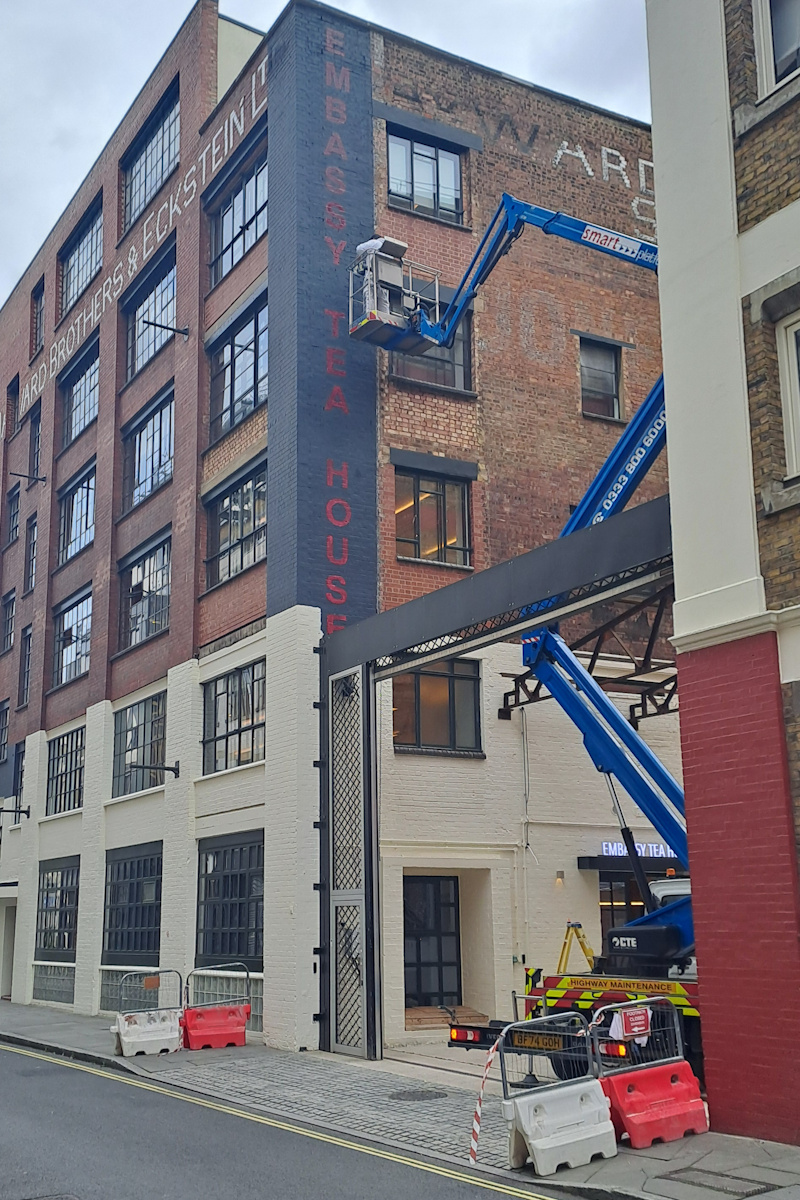
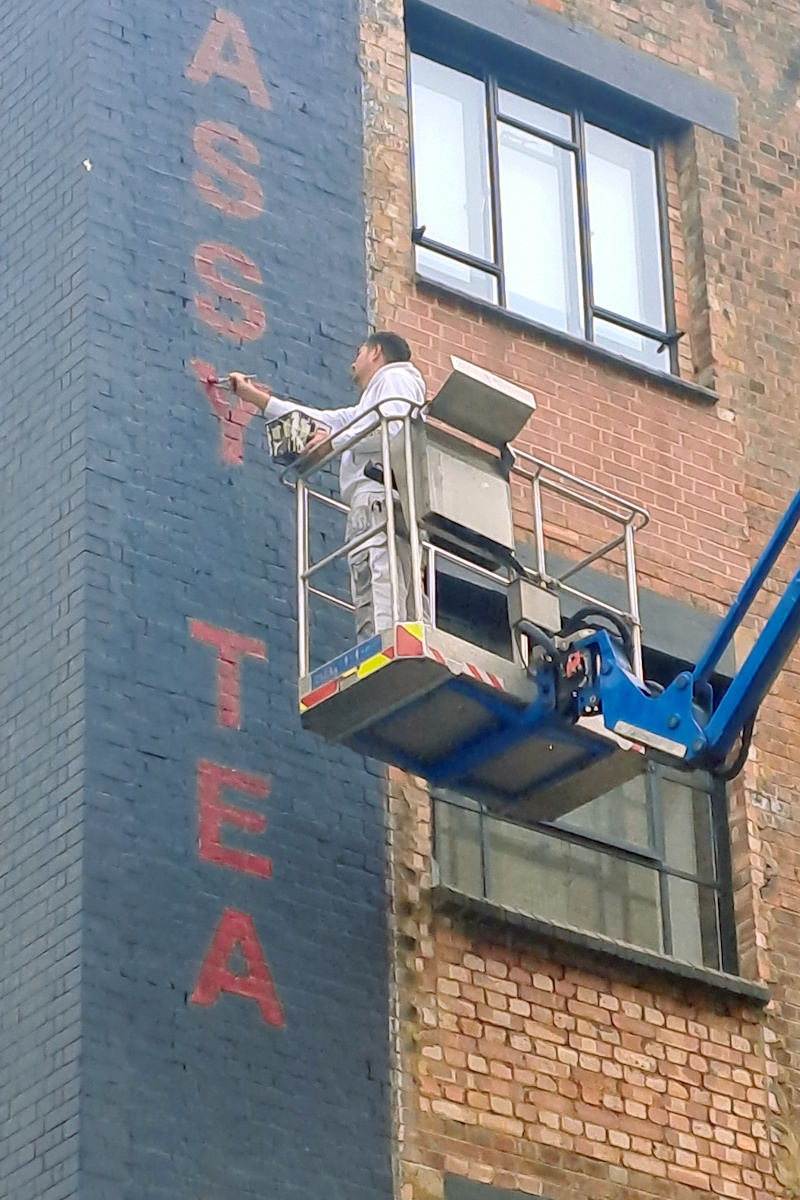
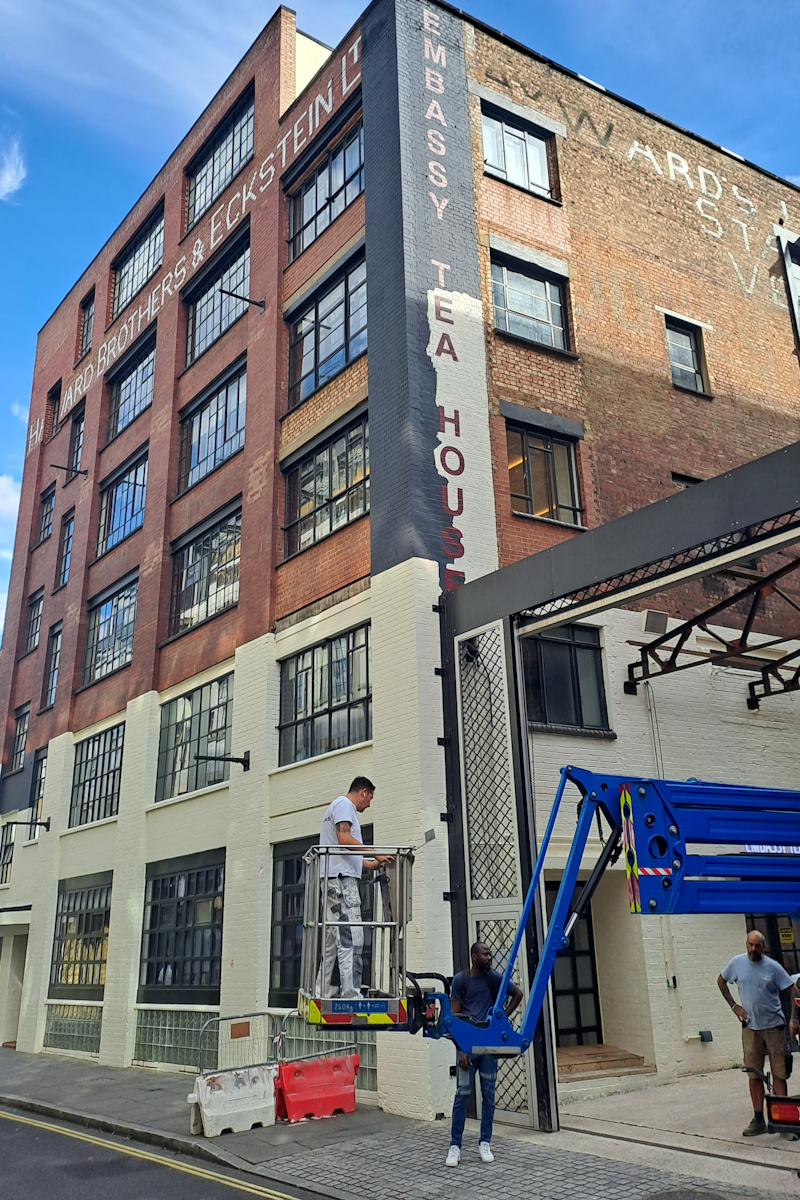
This vertical strip is on a building with more ghost signs on it, each of which feature on my Bankside Ghostsigns Walk. The original vertical James Ashby & Sons signage has been subject to quite a bit of change in recent years, including the repainting I saw live on my visit in September 2026.
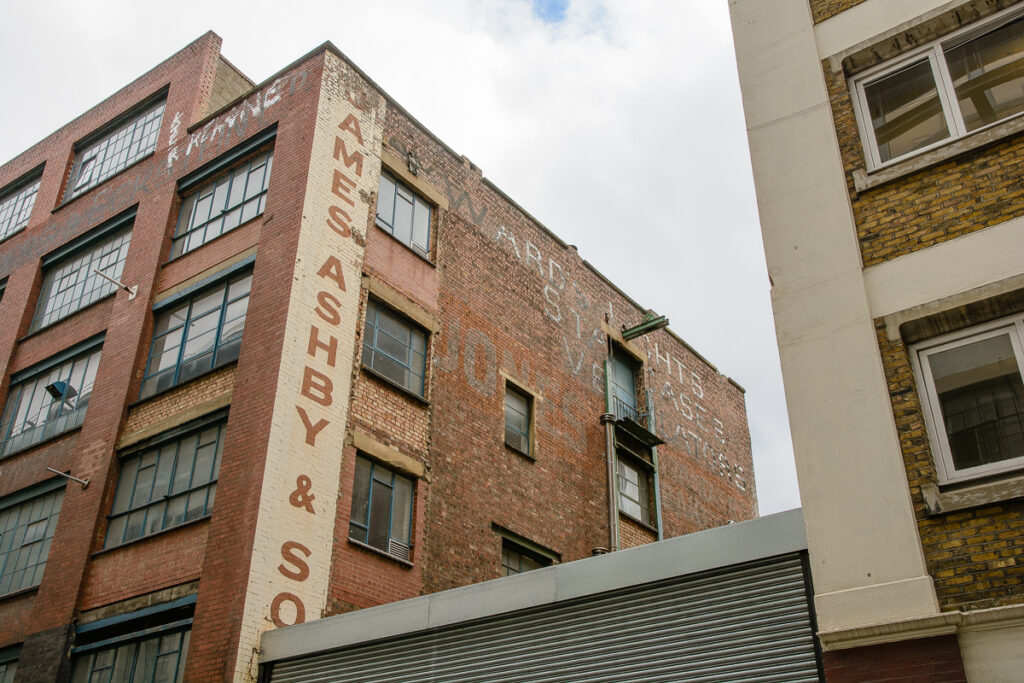
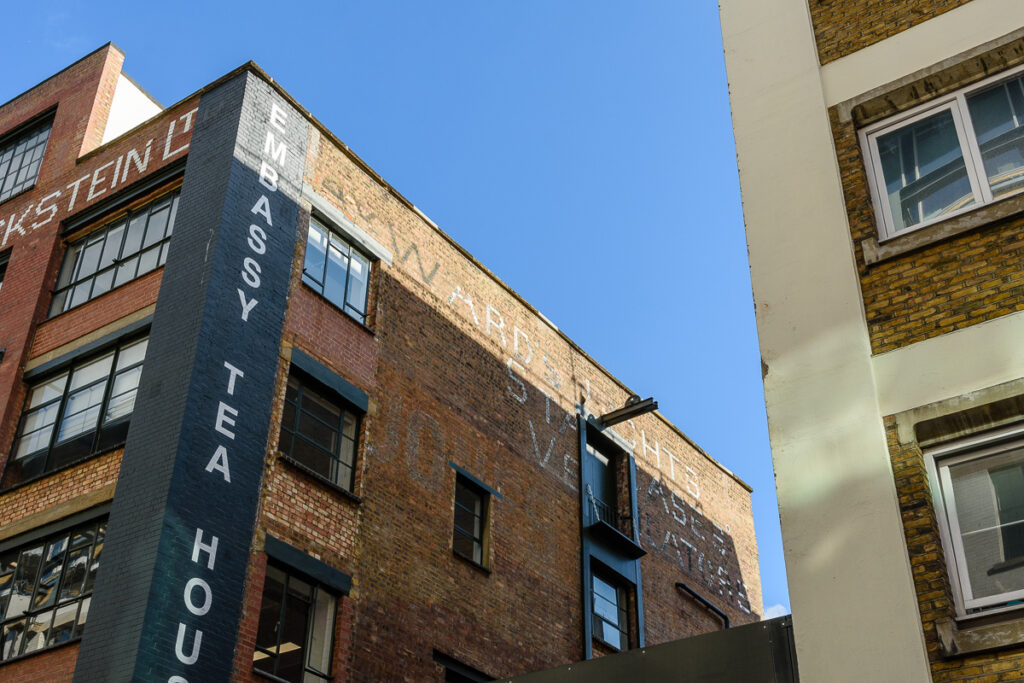
The most prominent sign on the building is for James Ashby, a wholesale tea dealer established in 1850. On the east side there are two pieces from different times, one of which features an illustrated element for its ‘Rose’ brand teas. The more generic piece [pictured here] was painted at the same time as a vertical strip on the edge of the building’s west side. This made significantly less use of the wall space than the previous occupants owing to the erection of an obstructing building next door during Jones’s occupancy.
In 2019 the building was converted to serviced offices, branded the ‘Embassy Tea House’. Oddly, the redevelopment involved painting over the vertical James Ashby sign that gave the offices their name.
Union Street SE1 (between Risborough Street and Great Suffolk Street)
September 2026 Update
For the next printing of the book, we’ll have to include this latest change that I partly witnessed in September 2026. It involved switching this vertical strip back to the red on cream colour scheme from the original signage. The process involved painting the white letters red and then cutting in with the cream afterwards, presumably to avoid having to recreate the letters themselves after ‘creamwashing’.
Stories of Survival
“Ghost signs’ presence in the contemporary streetscape is a story of survival, often against significant odds.”
This quote is from the ‘Biography of a Ghost Sign’ chapter in the book and the examples above illustrate that this survival is far from assured. However, the vast majority of the signs whose stories we tell have endured, and long may that continue. Each time one is lost it serves as a reminder to enjoy and appreciate the signs while they are here, which is something we sought to do through this book. Grab yourself (or a friend) a copy and join us in celebrating London’s ghost signs.
London’s Ghost Signs
London’s Ghost Signs is published by Metro Publications and available to buy from the BLAG shop. Alternatively, order a copy from your local bookshop with ISBN 9781902910857.
Related Posts
-

(Ambu)lances, Navigation Road, York
An apparent ghost sign for Lances on Navigation Road, York, turns out to be something completely different on closer inspection. Photo: Annie Greenhouse.
21 Feb 2024
-
N.E. Signs Appreciation Society Wins Appreciation from Hackney Council
Update on work to document and protect Hackney’s surviving street signs with the now-defunct N.E. postal district, including successful Hackney Society lobbying.
19 Oct 2020
-
Ghost Signs on Radio
Listen here. If you’re not familiar with the show it features lots of good music but also has a regular slot where you can call in with something ‘mysterious’ you’ve spotted around London and other listeners then phone in to help unravel the mystery. A couple of weeks ago they were talking about the Herbrand […]
27 Jun 2008
